Skip to content

Park Ave Cosmetic Center

Quick Guide to Your First Botox Visit

BOTOX

BOTOX

Botox injections are a widely chosen treatment for softening fine lines and wrinkles, helping many people work toward a refreshed look. Whether you are considering Botox for forehead lines, under-eye wrinkles, or other concerns, understanding the process can help before your first appointment. This guide walks through how Botox works, how to prepare, what to expect, and aftercare basics.

What Is Botox?

Botox is a purified protein derived from the Clostridium botulinum bacteria. It is an FDA-approved treatment commonly used for both cosmetic and medical purposes. Cosmetic Botox is injected into targeted muscles to temporarily reduce their activity. This may help smooth facial wrinkles, including frown lines, crow's feet, and forehead creases.

How Botox Works

Botox injections temporarily reduce muscle contraction by blocking certain nerve signals to the muscles. This can help the face look smoother by softening the appearance of wrinkles and creases. There is typically little to no recovery time after this short, minimally invasive procedure.

Benefits of Botox Injections

Botox is often considered for softening signs of aging, and it may offer other benefits as well.

These can include smoothing forehead wrinkles, softening under-eye wrinkles, reducing the appearance of frown lines and crow's feet, slimming the jawline with masseter Botox, helping with excessive sweating, and supporting acne care by reducing oil production.

These uses make Botox a versatile option for many cosmetic goals.

Preparing for Your First Botox Treatment

Before receiving Botox, a consultation with our team is an important step. Your provider will review your medical history, discuss your goals, and perform a skin examination to help determine your suitability. Be sure to disclose any medications, allergies, or underlying conditions.

What to Avoid Before Botox

For at least 24 hours, it is generally advised to avoid alcohol and blood thinners such as ibuprofen and aspirin.

Consider refraining from retinol or other strong skincare products for a few days before treatment.

Keep up a healthy skincare routine and stay well hydrated.

What to Expect During the Procedure

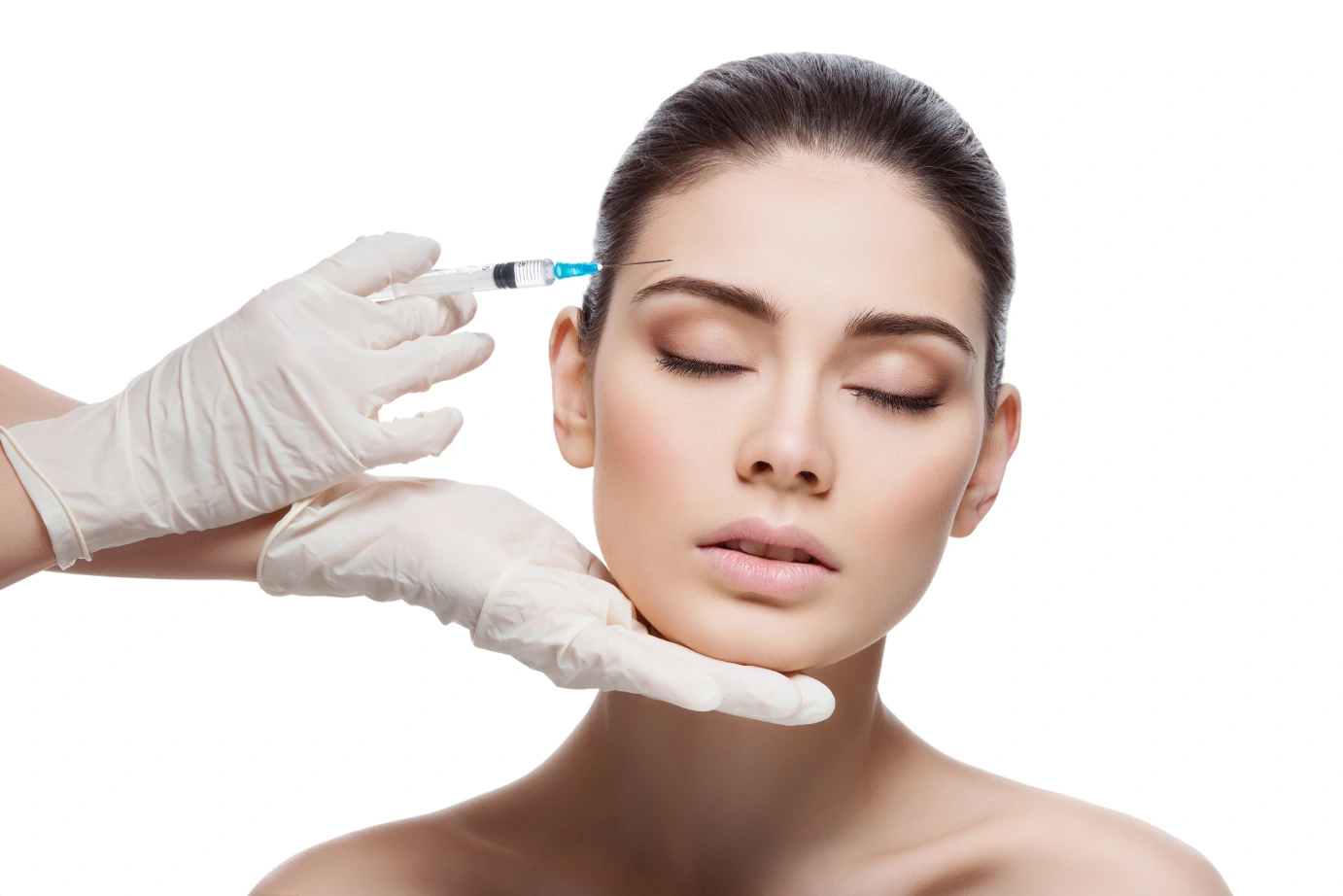
A Botox session is quick, often lasting 10 to 20 minutes. Your provider will typically cleanse the treatment area, mark the injection sites, use a fine needle to inject Botox into targeted muscles, and provide aftercare instructions.

Most people experience minimal discomfort, with some describing it as a slight pinch.

Botox Aftercare Tips

Proper aftercare can help support your results. After your Botox injections, it is generally recommended to avoid lying down for at least four hours, refrain from rubbing or massaging the treated area, and skip intense workouts for about 24 hours.

It also helps to remain upright and limit excessive facial movements right after treatment, drink plenty of water, and keep your skin moisturized.

How Soon Will You See Results?

Botox results usually begin to appear after three to five days, with fuller effects often visible by ten to fourteen days. Depending on lifestyle and individual metabolism, results commonly last around three to four months.

Common Myths About Botox

Myth 1: Botox Makes You Look Frozen

When administered by a skilled professional, Botox is intended to soften wrinkles while helping maintain natural facial expressions.

Myth 2: Botox Is Only for Older People

Many people in their 20s and 30s choose Botox as a preventative approach to help delay the appearance of wrinkles.

Myth 3: Botox Is Permanent

Botox effects gradually wear off, making it a temporary option rather than a permanent change.

Can Botox Be Combined With Other Treatments?

Many patients combine Botox with other aesthetic procedures. Common pairings include dermal fillers to restore lost volume in the cheeks and lips, chemical peels to support skin texture and tone, laser treatments to support skin tone and collagen, and microneedling to support skin rejuvenation and elasticity.

To create a personalized plan, speak with your provider if you are considering more than one treatment.

FAQs About Your First Botox Visit

Who is a good candidate for Botox?+

Botox suits many adults looking to soften wrinkles or refine facial contours. People with certain neurological conditions, and those who are pregnant or nursing, should speak with a healthcare professional before treatment.

Does Botox hurt?+

The procedure uses a fine needle, and most people report only minor discomfort. Some providers apply a numbing cream beforehand to further reduce any sensation.

How often should you get Botox?+

Most individuals consider maintenance treatments every three to four months. Over time, regular treatments may help extend the duration of results.

Are there any side effects?+

Possible side effects include mild redness or swelling at the injection site, temporary bruising, and temporary muscle weakness in treated areas. These usually resolve within a few days. Choosing a qualified provider helps reduce risks.